
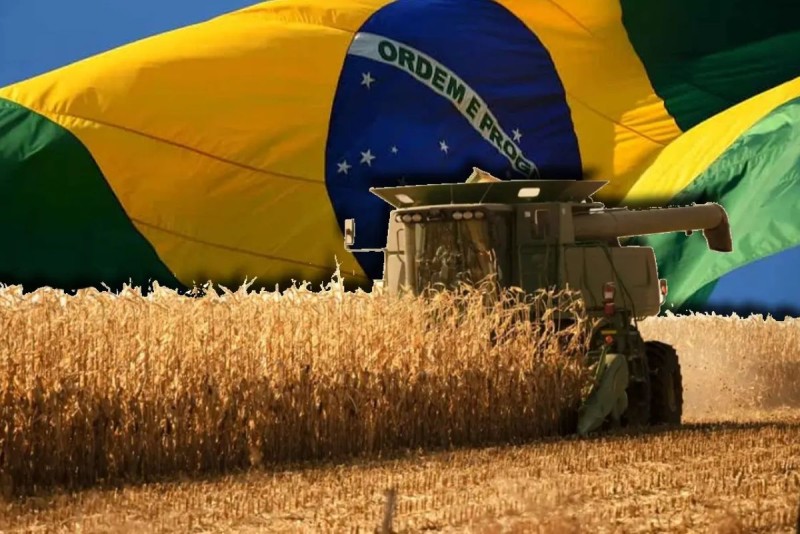
30 Largest agribusiness companies in Brazil
Brazil stands as a global agribusiness leader, leveraging a favorable climate, vast land availability (often converted from degraded pastures, not native vegetation), and continuous technological advancements. The sector is a cornerstone of the national economy, contributing significantly to the GDP, exports, and job creation. JPeF: Human resources consulting and recruitment and selection, and discover our solutions. Talk to us!
This detailed report provides an overview of the top 30 agribusiness companies in Brazil, the market dynamics, and future trends.
Key Agribusiness Sectors and Leading Companies
The Brazilian agribusiness landscape is diverse, encompassing everything from commodity production to food processing, bioenergy, and inputs. The top companies, based on revenue and market presence, operate across these critical segments:
| Company Name | Sector of Activity |
|---|---|
| JBS | Animal Protein (Beef, Poultry, Pork) |
| Marfrig Global Foods | Animal Protein (Beef) |
| Cargill | Grain Trading, Food Processing, Oils |
| Raízen | Bioenergy (Sugar, Ethanol), Fuel Distribution |
| Ambev | Food & Beverage (Indirect Agribusiness - Barley) |
| BRF | Animal Protein (Poultry, Pork) |
| Suzano Holding | Pulp & Paper |
| Copersucar | Agroenergy (Sugar, Ethanol) |
| Louis Dreyfus Company | Trading & Commerce |
| Amaggi | Food & Beverage, Trading (Soybeans, Corn, Cotton) |
| Minerva Foods | Animal Protein (Beef) |
| Coamo Agroindustrial | Cooperatives, Grains |
| Aurora Alimentos | Cooperatives, Animal Protein |
| C.Vale | Cooperatives, Grains, Animal Protein |
| Klabin | Pulp & Paper, Packaging |
| Tereos | Agroenergy (Sugar, Ethanol) |
| ADM (Archer Daniels Midland) | Commodity Trading, Processing |
| Bunge Brasil | Trading, Processing, Fertilizers |
| SLC Agrícola | Farm Products (Soybeans, Corn, Cotton, Sugarcane) |
| BrasilAgro | Farmland Acquisition and Management |
| M. Dias Branco | Food (Flour, Pasta, Biscuits) |
| Camil Alimentos | Food (Rice, Beans, Fish) |
| Comigo | Cooperatives |
| Cocamar | Cooperatives |
| BSBios | Bioenergy (Biodiesel) |
| AgroGalaxy | Agricultural Inputs Retail |
| UPL do Brasil | Agrochemicals and Inputs |
| Três Tentos Agroindustrial | Farm Products, Inputs, Trading |
| Eldorado Brasil Celulose | Pulp & Paper |
| Castrolanda | Cooperatives |
Challenges and Opportunities
Challenges:
- Logistical Infrastructure: Brazil's vast size necessitates significant investment in roads, railways, and ports to efficiently transport goods to market.
- Environmental Regulations & Sustainability: Increasing global scrutiny and stricter regulations demand alignment with ESG (Environmental, Social, and Governance) agendas and consistent regenerative agriculture practices.
- Climate Change: Market volatility and weather events (droughts, excess rain) require robust risk management and planning.
- Input Costs: Reliance on imported inputs like fertilizers and pesticides can create vulnerabilities to global supply chain disruptions.
Opportunities:
- Global Demand for Food: As the world population grows, Brazil is well-positioned to meet the increasing demand for food, feed, and fiber.
- Bioenergy Market: The strong position in ethanol and other biofuels presents growth opportunities as the world seeks renewable energy sources.
- Emerging Markets: Expansion into new international markets offers significant growth potential beyond traditional trade partners.
Market & Workforce
The agribusiness sector employs approximately 9.3% of the total Brazilian workforce, a critical component of the national job market. The market is increasingly seeking specialized labor, from field technicians to data analysts, as technology integrates deeper into operations.
Innovation and Trends
Innovation in Brazilian agribusiness is largely driven by "Agriculture 4.0" technologies. Key trends include:
- Digital Agriculture: The use of precision farming techniques, drones, IoT sensors, and data analytics for maximizing yields and minimizing waste.
- Biotechnology & Genetics: Continuous improvement in crop and animal genetics, enabling more resilient and productive agricultural systems.
- Sustainability & Traceability: A major focus on transparent supply chains and sustainable practices (e.g., using degraded pasture for new cropland, advanced water management) to meet international market demands.
- Bioinputs: A growing market for biological pesticides and fertilizers as alternatives to conventional chemical inputs.